More than 80% of classroom learning is visual. A child who cannot see the board clearly will not raise their hand and say so. They will just struggle. The video below, featuring an optometrist breaking down exactly what vision problems look like in real children, is worth watching before the school year starts.
Our Cedar Park optometrist on Research Blvd (next to HMart) serves Sommer, England, and Rutledge families. Comprehensive eye exams for kids before school starts. Walk-ins welcome.
More than 80% of classroom learning is visual. A child who cannot see the board clearly will not raise their hand and say so. They will just struggle. The video below, featuring an optometrist breaking down exactly what vision problems look like in real children, is worth watching before the school year starts.
Research shows parents know vision affects learning — but many still skip the eye exam. An optometrist breaks down the warning signs of children’s vision problems and what to do about them.
Most people schedule a dentist appointment every six months without a second thought. But when it comes to eye exams, many of us wait until something feels wrong. By then, it is often later than it needed to be.
The truth is that many of the most serious eye conditions develop without any noticeable symptoms. Glaucoma, diabetic retinopathy, early macular degeneration — all of them can be silently progressing while your vision feels completely normal. The only reliable way to catch them early is with a routine comprehensive eye exam. And early is where treatment actually works
Most people schedule a dentist appointment every six months without a second thought. But when it comes to eye exams, many of us wait until something feels wrong. By then, it is often later than it needed to be.
The truth is that many of the most serious eye conditions develop without any noticeable symptoms. Glaucoma, diabetic retinopathy, early macular degeneration — all of them can be silently progressing while your vision feels completely normal. The only reliable way to catch them early is with a routine comprehensive eye exam. And early is where treatment actually works
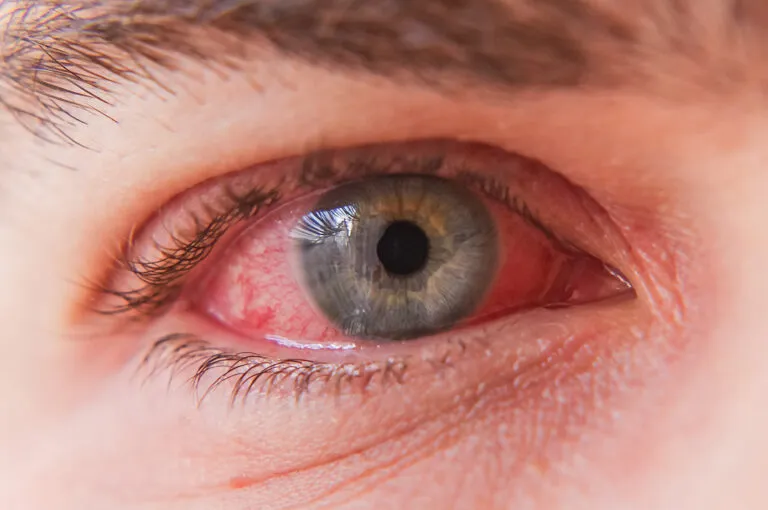
What it is: Pink eye is a common cause of red, watery, itchy, or “goopy” eyes and can be viral, bacterial, or allergy-related. It spreads easily, which is why proper care and timing matter.
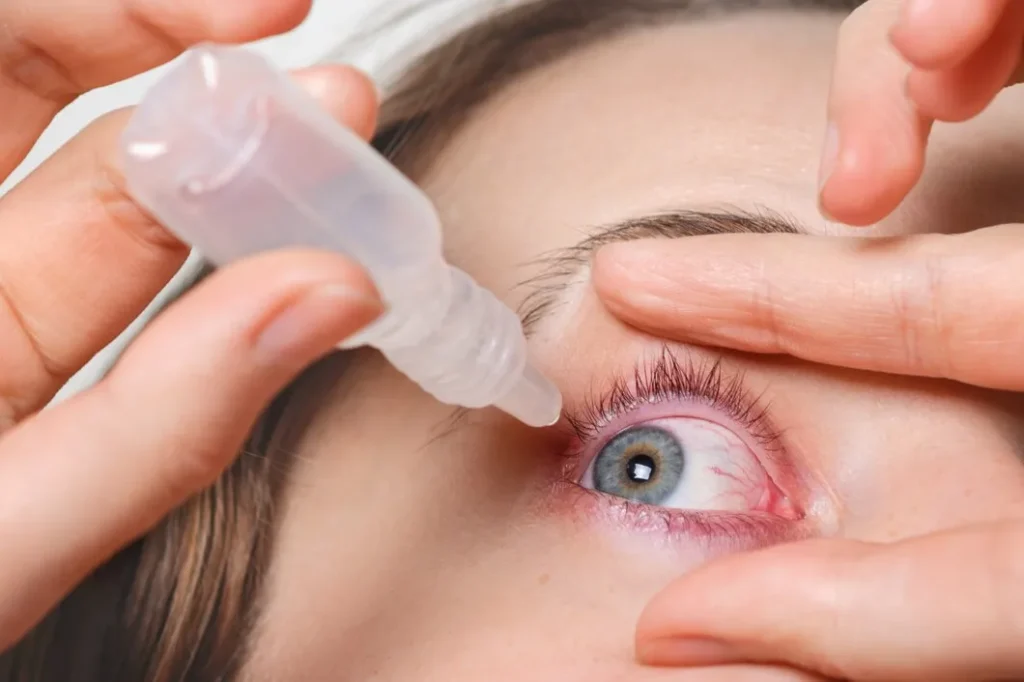
How we treat: We examine your eyes to identify the cause and recommend the right treatment, including drops when appropriate. We’ll also guide you on hygiene and when it’s safe to return to work or school.
What it is: A stye is a tender, swollen eyelid bump, while a chalazion is usually painless and caused by a blocked oil gland. Both can make your eyelid feel irritated, heavy, or inflamed.
How we treat: We’ll help calm inflammation with a simple at-home plan like warm compresses and lid care, plus guidance on makeup and contact lens breaks. If it doesn’t improve, we can treat it in-office or refer you as needed.
What it is: Floaters can look like dots, threads, or cobwebs drifting across your vision, while flashes can look like brief flickers of light. Most are harmless, but sudden changes can sometimes signal a retinal issue.
How we treat: We perform a same-day dilated exam and imaging to ensure your retina is healthy. If we see signs of a tear or detachment, we arrange urgent referral care immediately.
What it is: Dry eye can feel like burning, grittiness, watering, or blurry vision that comes and goes especially with screens or wind. It often happens when tears evaporate too quickly or aren’t made in the right balance.
How we treat: We create a personalized plan to improve tear quality and comfort using targeted therapies like lubricants, warm compresses, lid hygiene, or prescription drops when needed. For some patients, punctal plugs may help keep moisture on the eye longer.
What it is: Eye allergies can cause itching, redness, watering, and swelling, often leading to frequent rubbing. They may flare seasonally or persist year-round depending on your triggers.
How we treat: We help identify triggers and recommend targeted drops or treatments to calm inflammation quickly. If needed, we coordinate with your primary care physician or allergist for additional support.