Conditions

Common Eye Conditions We Treat

We proudly serve patients throughout Austin and surrounding areas. Below are some of the most common eye conditions we evaluate and treat, along with what they are and how we can help.

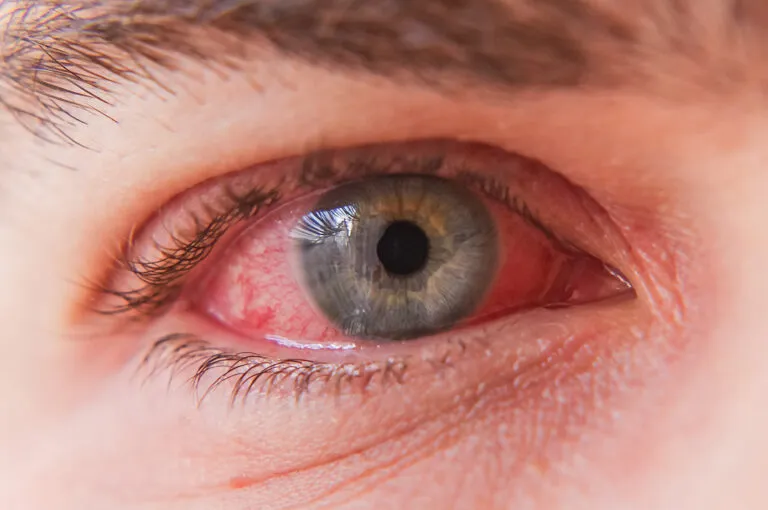
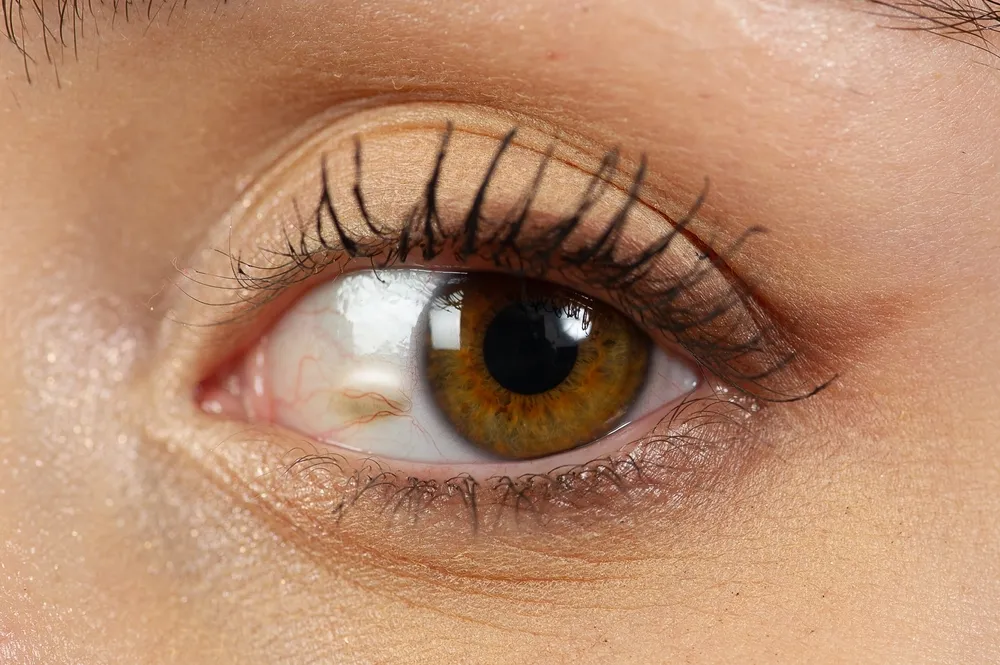
Pink Eye (Conjunctivitis)

What it is: Pink eye is a common cause of red, watery, itchy, or “goopy” eyes and can be viral, bacterial, or allergy-related. It spreads easily, which is why proper care and timing matter.

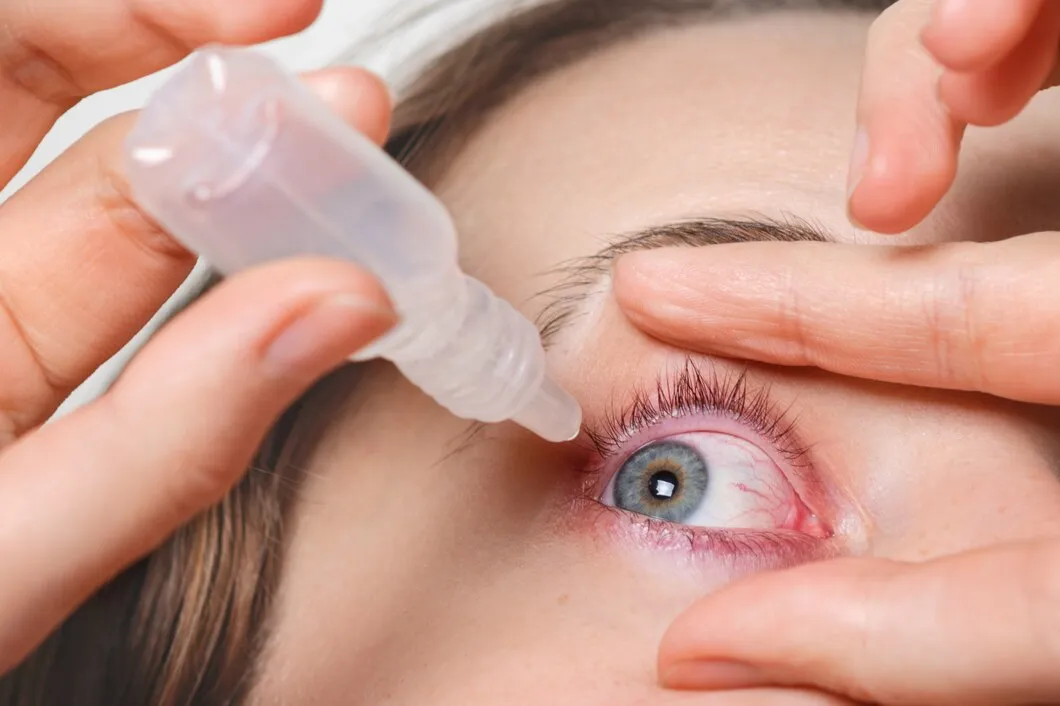
How we treat: We examine your eyes to identify the cause and recommend the right treatment, including drops when appropriate. We’ll also guide you on hygiene and when it’s safe to return to work or school.

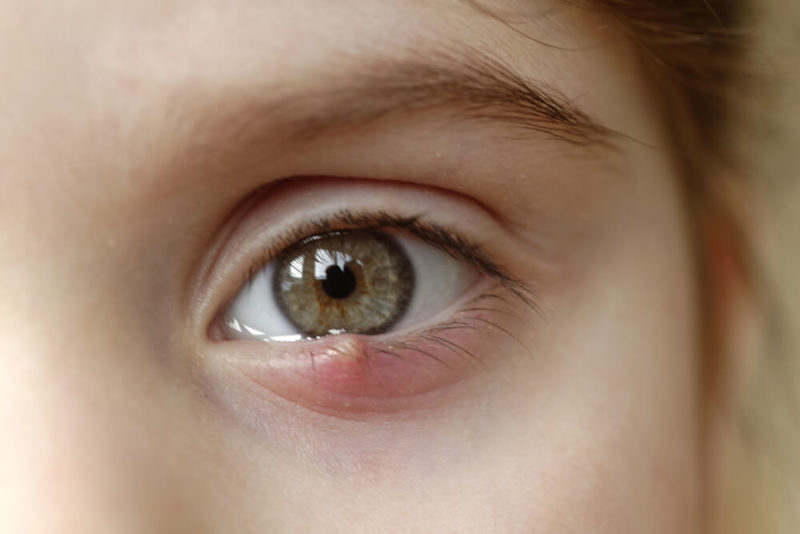
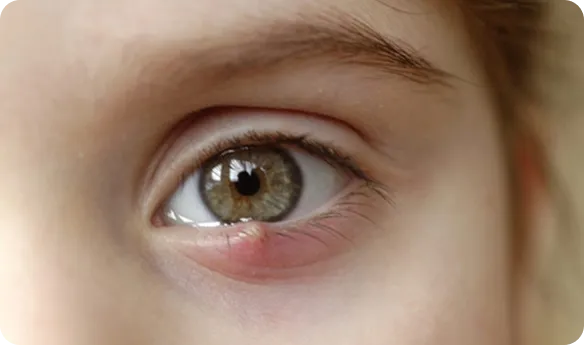
Stye & Chalazion

What it is: A stye is a tender, swollen eyelid bump, while a chalazion is usually painless and caused by a blocked oil gland. Both can make your eyelid feel irritated, heavy, or inflamed.

How we treat: We’ll help calm inflammation with a simple at-home plan like warm compresses and lid care, plus guidance on makeup and contact lens breaks. If it doesn’t improve, we can treat it in-office or refer you as needed.

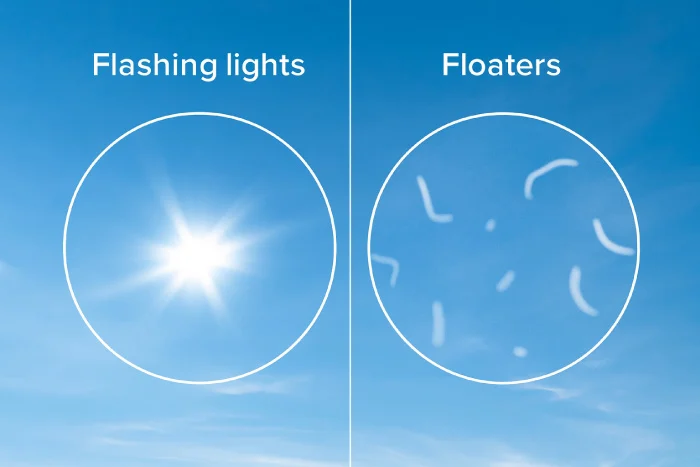
Flashes and Floaters

What it is: Floaters can look like dots, threads, or cobwebs drifting across your vision, while flashes can look like brief flickers of light. Most are harmless, but sudden changes can sometimes signal a retinal issue.

How we treat: We perform a same-day dilated exam and imaging to ensure your retina is healthy. If we see signs of a tear or detachment, we arrange urgent referral care immediately.

Dry Eye

What it is: Dry eye can feel like burning, grittiness, watering, or blurry vision that comes and goes especially with screens or wind. It often happens when tears evaporate too quickly or aren’t made in the right balance.

How we treat: We create a personalized plan to improve tear quality and comfort using targeted therapies like lubricants, warm compresses, lid hygiene, or prescription drops when needed. For some patients, punctal plugs may help keep moisture on the eye longer.

Eye Allergies

What it is: Eye allergies can cause itching, redness, watering, and swelling, often leading to frequent rubbing. They may flare seasonally or persist year-round depending on your triggers.

How we treat: We help identify triggers and recommend targeted drops or treatments to calm inflammation quickly. If needed, we coordinate with your primary care physician or allergist for additional support.

Digital Eye Strain (Computer Vision)

What it is: Digital eye strain happens when your eyes work overtime focusing on screens, often causing headaches, fatigue, blur, and dry eyes. It usually builds up throughout the day and feels worst in the evening.

How we treat: We check your vision and focusing system, then recommend strategies like the 20-20-20 rule, glare reduction, and screen-friendly lens options. If helpful, we can recommend computer-specific prescriptions or coatings for added comfort.

Cataracts (Evaluation and Co-Management)

What it is: Cataracts are a gradual clouding of the natural lens that can make vision blurry, dim, or glary especially at night. Many people also notice colors look less sharp over time.

How we treat: We monitor progression and update your prescription as long as glasses still help you function comfortably. When surgery becomes the best option, we guide you through the process and co-manage care with your surgeon.

Glaucoma (Risk and Management)

What it is: Cataracts are a gradual clouding of the natural lens that can make vision blurry, dim, or glary especially at night. Many people also notice colors look less sharp over time.

How we treat: We monitor progression and update your prescription as long as glasses still help you function comfortably. When surgery becomes the best option, we guide you through the process and co-manage care with your surgeon.

Macular Degeneration (AMD)

What it is: Macular degeneration affects central vision and can make reading or recognizing faces more difficult over time. Early stages often have no symptoms, which is why routine monitoring matters.

How we treat: We track changes closely and provide lifestyle and supplement guidance when appropriate. If advanced changes are detected, we coordinate rapid referral for specialized treatment options.

Pink Eye (Conjunctivitis)

What it is:

A common cause of red, watery, itchy, or goopy eyes—viral, bacterial, or allergic.

How we treat:

Stye & Chalazion

What it is:

Tender (stye) or painless (chalazion) eyelid bumps from blocked oil glands

How we treat:

Flashes & Floaters

What it is:

Spots/threads or light flashes in your vision; sometimes harmless, sometimes a retinal warning.

How we treat:

Dry Eye

What it is:

Burning, gritty, or fluctuating vision from poor tear quality/quantity.

How we treat:

Eye Allergies

What it is:

Seasonal or year-round itching, tearing, swelling.

How we treat:

Digital Eye Strain (Computer Vision)

What it is:

Fatigue, headaches, blur from long screen time.

How we treat:

Cataracts (Evaluation & Co-Management)

What it is:

Clouding of the natural lens that adds blur and glare.

How we treat:

Glaucoma (Risk & Management)

What it is:

Conditions that can damage the optic nerve, often without early symptoms.

How we treat:

Macular Degeneration (AMD)

What it is:

Age-related changes to central vision.

How we treat:

Diabetic Eye Disease (Diabetic Eye Exams)

What it is:

Diabetes-related changes to the retina and overall eye health.

How we treat:

Contact Lens Intolerance & Fitting Issues

What it is:

Discomfort or blur with current lenses

How we treat:

Corneal Abrasions & Foreign Body

What it is:

Painful scratch or debris on the cornea.

How we treat:

Pterygium & Pinguecula

What it is:

Sun/wind-related growths on the eye’s surface that can irritate or affect vision.

How we treat:

Keratoconus & Irregular Corneas

What it is:

Thinning/steepening of the cornea causing irregular astigmatism and blur.

How we treat:

Uveitis (Iritis)

What it is:

Inflammation inside the eye that causes pain, light sensitivity, and blur.

How we treat:

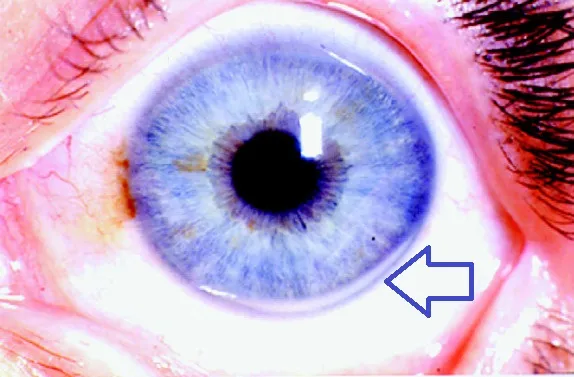
Corneal Dystrophies (incl. Macular Corneal Dystrophy)

What it is:

Inherited changes that can cause corneal haze or recurrent irritation.

How we treat:

Not sure which condition fits your symptoms?

Start with a comprehensive eye exam. We’ll identify the cause and map a clear plan most issues are treatable, and we coordinate quickly if specialty care is needed.

to any Master Eye location in Austin.