
Causes, Relief, and Prevention From the Eye Doctors at Master Eye in Austin
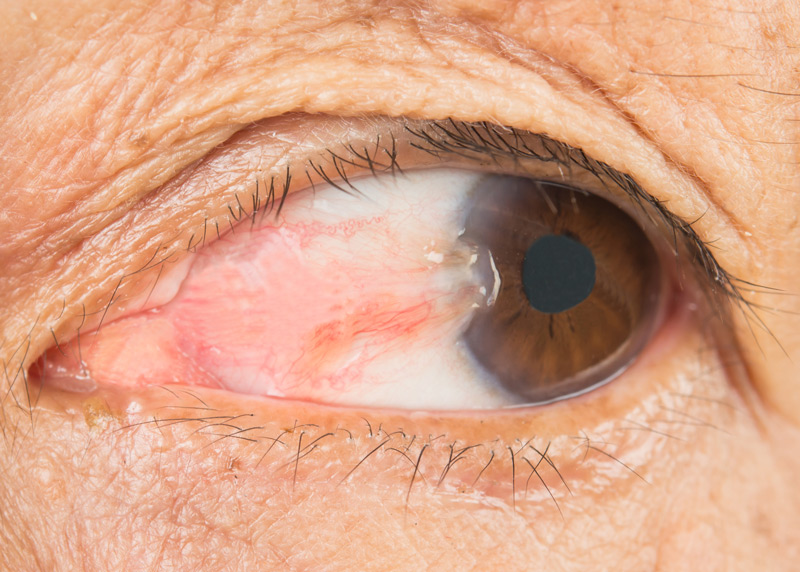
A pinguecula is a small, yellowish bump on the white part of the eye (conjunctiva), usually on the nose side near the cornea. It’s a sun/UV and wind/dust–related change in the surface tissue. Pingueculae can feel dry, irritated, or inflamed, but they’re benign and often manageable with simple care.
Common Symptoms
- A visible yellow or cream-colored bump on the white of the eye
- Dryness, burning, or foreign-body sensation (like sand)
- Redness or a flare-up after sun, wind, or dust exposure
- Contact lens intolerance during irritated phases
What Causes It (and Who’s at Risk)
- UV exposure (Texas sun is a big contributor)
- Wind, dust, and dry air (outdoor work, sports, driving)
- Contact lens wear (especially with dry-eye tendencies)
- No sunglasses / poor ocular surface protection
At-Home Care (First Steps)
- Lubricating eye drops (preservative-free) 3–4×/day to calm irritation
- Cold compress 5–10 minutes for redness/itch
- Sunglasses with UV protection outdoors; a brimmed hat helps
- Take a contact lens break during flare-ups; switch to fresh lenses when comfortable again
- Avoid eye rubbing—it worsens irritation
Tip: Keep a small bottle of preservative-free artificial tears in your bag/car for windy or sunny days.
Professional Treatment at Master Eye (What We Do)
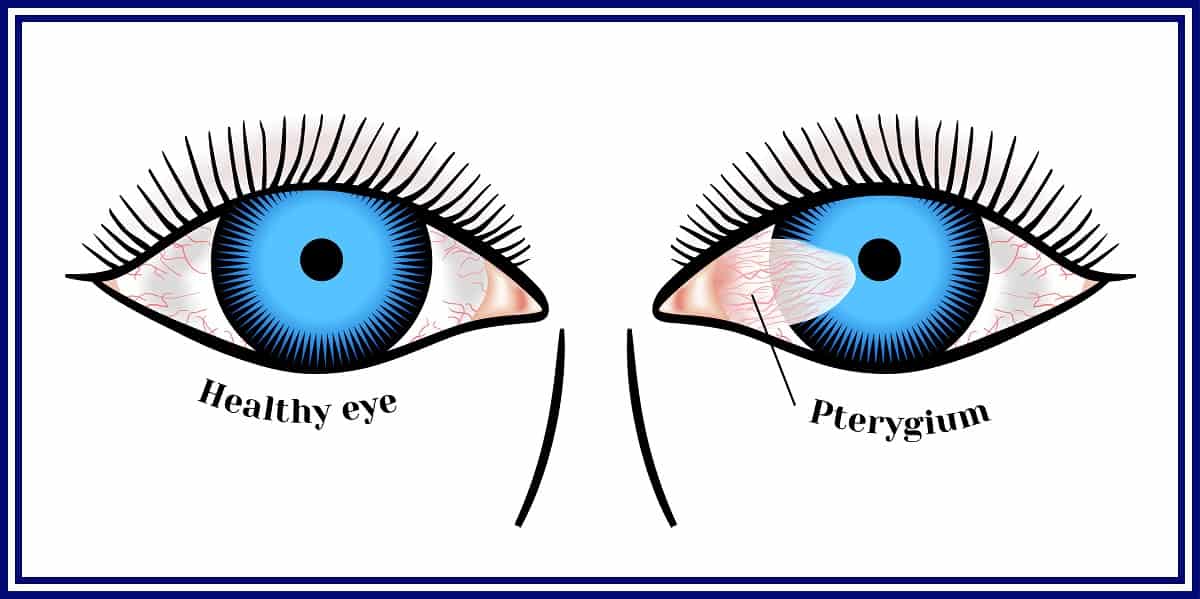
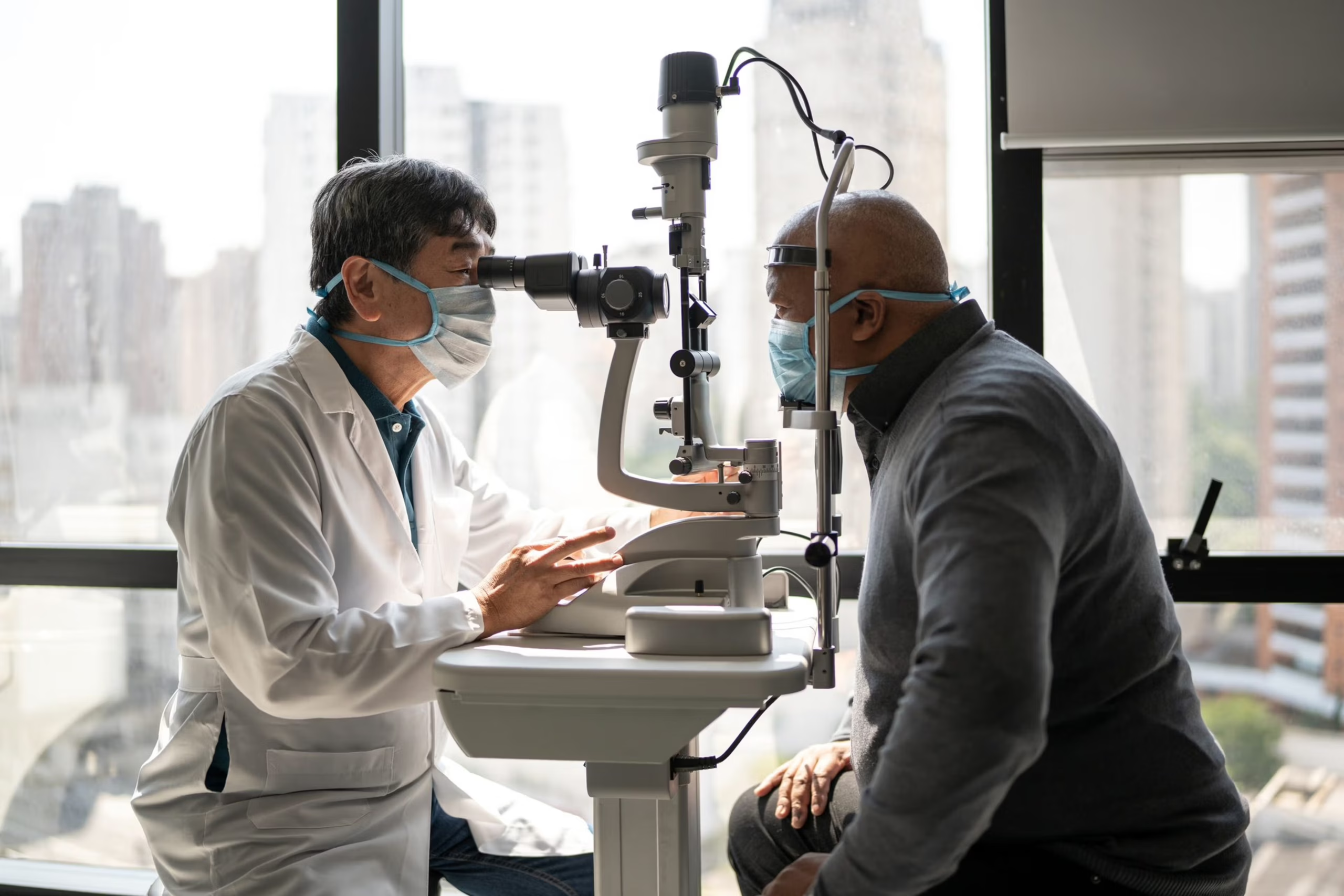
- Diagnosis & baseline photos to confirm pinguecula and rule out look-alikes (like pterygium, which grows onto the cornea)
- Medical drops when inflamed: short course of anti-inflammatory drops (steroid or NSAID) and/or antihistamine/mast-cell stabilizer if allergy plays a role
- Dry-eye support: optimized lubricants, lid hygiene, omega-3 counseling when appropriate
- Contact lens strategy: refit to more breathable materials or daily disposables; comfort tips for the ocular surface
- Surgical referral only if the bump is cosmetically troubling, repeatedly inflamed, or interfering with contact lens wear—most patients don’t need surgery
When to See a Doctor (Same-Day if…)
- Sudden pain, light sensitivity, or drop in vision
- Rapid increase in redness/swelling
- You’re unsure whether it’s a pinguecula vs pterygium (growth toward the pupil)
- Contact lens wearers with persistent discomfort despite a lens break
Outlook
Pingueculae are common and benign. With UV protection, lubrication, and targeted anti-inflammatory drops during flare-ups, most people do well. The bump may remain visible but usually becomes less symptomatic when the surface is healthy and protected.
Prevention Tips (Austin-proof your eyes)
- Wraparound sunglasses with 100% UV (look for UV400)
- Hat/brim for mid-day sun
- Lubricating drops before outdoor exposure (especially on windy days)
- Daily disposable contacts if you’re prone to irritation
- Avoid dusty/smoky environments when possible; use eye protection for yardwork
Why Choose Master Eye in Austin
We treat pinguecula daily—from simple irritation to stubborn flare-ups—and help you prevent recurrences with a practical plan. If surgery is the right move, we coordinate with trusted partners and co-manage your care so recovery stays smooth.
FAQ
Pinguecula Treatment
Is a pinguecula dangerous?
No. It’s a benign surface change. It can get inflamed and uncomfortable, but it doesn’t turn into cancer.
Will it go away on its own?
The bump often remains, but symptoms usually improve with lubrication, UV protection, and short courses of anti-inflammatory drops during flares.
What’s the difference between pinguecula and pterygium?
A pterygium is a similar sun-related growth that can extend onto the cornea and affect vision. A pinguecula stays on the white part of the eye.
Can I keep wearing contacts?
Usually, yes—once the surface is calm. We may refit your lenses (e.g., daily disposables) and adjust wear time to improve comfort.
When is surgery considered?
If the pinguecula is chronically inflamed, cosmetically bothersome, or interfering with contact lenses despite treatment, we may discuss surgical options with a specialist.