

Most people schedule a dentist appointment every six months without a second thought. But when it comes to eye exams, many of us wait until something feels wrong. By then, it is often later than it needed to be.
The truth is that many of the most serious eye conditions develop without any noticeable symptoms. Glaucoma, diabetic retinopathy, early macular degeneration — all of them can be silently progressing while your vision feels completely normal. The only reliable way to catch them early is with a routine comprehensive eye exam. And early is where treatment actually works.
At Master Eye Associates, we see patients across nine Austin-area locations every day who had no idea something was developing in their eyes until we found it. This guide breaks down exactly how often you should be getting your eyes checked by age, by risk factor, and by lifestyle so you are never caught off guard.
Eye Exam Frequency at a Glance
Before diving into the details, here is the short answer based on American Optometric Association guidelines:
| Age Group | Recommended Frequency | Notes |
|---|---|---|
| Infants (6 to 12 months) | Once | Detects alignment and focus problems early |
| Children (3 to 5 years) | Once before kindergarten | Critical for school readiness; lazy eye often caught here |
| School-age children (6 to 17) | Every year | Eyes change rapidly during growth years |
| Adults (18 to 39) | Every 1 to 2 years | Annually if you wear contacts, have diabetes, or a family history of eye disease |
| Adults (40 to 64) | Every 1 to 2 years | Age 40 is when glaucoma and presbyopia risk increases significantly |
| Adults (65+) | Every year | Higher risk of cataracts, AMD, and glaucoma at this stage |
Eye Exams for Infants and Young Children
Children do not know what normal vision looks like. If a child has always seen the world blurry, they will never tell you because it is simply all they have ever known. That is why early exams matter so much.
Infants (6 to 12 months)
Your baby’s first eye exam should happen between 6 and 12 months of age. The doctor does not need your child to read a chart. This exam checks eye alignment, the ability to focus, and whether both eyes are working together properly. Catching problems like crossed eyes or lazy eye at this stage leads to much better outcomes than waiting until school age.
Children ages 3 to 5
One exam before kindergarten is the minimum. Vision problems are one of the leading causes of learning difficulties, and many children never complain because they have no baseline for comparison. A comprehensive exam here catches refractive errors, early amblyopia, and conditions that a school screening would completely miss since those only check distance vision.
School-age children (6 to 17)
Annual exams are the standard for school-age kids. Eyes change significantly during childhood and adolescence, and a prescription that worked fine last year may be creating headaches, squinting, or difficulty concentrating this year. If your child is sitting closer to the board than their classmates, rubbing their eyes frequently, or complaining of headaches after reading, do not wait for the next scheduled visit. Come in sooner.
We see families at all nine of our Austin-area locations, including Cedar Park, Round Rock, Georgetown, and Kyle. Walk-ins are welcome, or you can book online.

Eye Exams for Adults (18 to 64)
If you are a healthy adult in your 20s or 30s with no vision problems and no family history of eye disease, you can generally get away with an exam every two years. But that recommendation comes with important exceptions.
You should be seen every year if any of the following apply:
- You wear contact lenses. Contact prescriptions expire annually, and yearly checks ensure your lenses are not damaging your cornea without you knowing.
- You have diabetes. Diabetic retinopathy can cause serious, irreversible vision loss and it often starts without symptoms. Annual diabetic eye exams are essential.
- You have high blood pressure. Hypertension can affect the blood vessels in your retina in ways that are visible on exam before you feel anything.
- You have a family history of glaucoma or macular degeneration. Both conditions have a strong genetic component. If a parent or sibling had glaucoma, your risk is 4 to 9 times higher than average.
- You work at a screen all day. Digital eye strain is real, and a proper exam helps rule out underlying issues driving your symptoms. See our guide to digital eye strain.
- Your vision has changed. If things feel blurrier than they used to, or you are getting headaches you did not used to get, do not wait for your scheduled exam.
The age 40 milestone
Age 40 is when the AOA recommends everyone get a comprehensive baseline eye exam, even if vision has always felt perfect. This is when the risk of glaucoma, early macular degeneration, and presbyopia starts to increase meaningfully. What we find at 40 sets the baseline for everything that follows.
Eye Exams for Adults 65 and Older
Annual exams are the standard for adults over 65, with no exceptions. The conditions that affect vision in later life are all significantly more common at this stage, and several of them can progress quickly without any warning symptoms.
The good news is that most of these conditions are highly manageable when caught early. Cataracts can be surgically corrected. Age-related macular degeneration can be slowed with lifestyle changes and supplements. Glaucoma can be controlled with medication. The exam itself is quick. What it buys you is time and options.
When You Should Go More Frequently Than the Guidelines Suggest
Guidelines are starting points, not ceilings. There are situations where we would recommend coming in more often than the standard schedule regardless of your age:
- Your vision has changed noticeably since your last exam.
- You have been diagnosed with dry eye and your symptoms are not well controlled.
- You have had recent eye surgery or treatment.
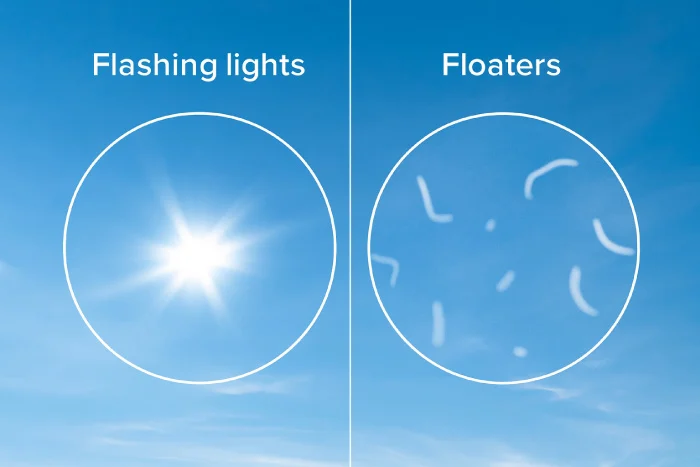
- You are experiencing new floaters, flashes of light, or a shadow in your vision. These can indicate a retinal issue. Call us the same day.
- You have lupus, rheumatoid arthritis, or another autoimmune condition. Some medications used to treat these can affect eye health.
- You are pregnant. Hormonal changes can temporarily affect vision and contact lens fit.
What Happens During a Comprehensive Eye Exam at Master Eye?
A lot more than a prescription update. A full exam at Master Eye includes:
- Visual acuity testing: the classic read-the-chart portion, checking sharpness at distance and near.
- Refraction: determining your exact prescription for glasses or contacts.
- Eye pressure measurement: screening for glaucoma.
- Anterior segment exam: checking the cornea, lens, and anterior chamber for early cataract formation, corneal disease, and other issues.
- Posterior segment and retinal exam: examining the optic nerve and retina, where signs of glaucoma, diabetic changes, AMD, and other conditions appear.
- Binocular vision assessment: checking how well both eyes work together, which matters at all ages.
- SLO imaging when indicated: our advanced retinal imaging provides a detailed view of the back of the eye without dilation in many cases. Learn more about SLO imaging.

Getting an Eye Exam Near You in Austin
Master Eye Associates has nine locations across the greater Austin area, so there is likely one close to where you live or work. We accept most vision and health insurance plans, plus HSA and FSA, and walk-ins are always welcome.
Our locations:
Ready to schedule your eye exam?
Whether you are overdue or just keeping up with your annual visit, we make it easy. Same-day and next-day appointments are often available, walk-ins are always welcome, and most insurance plans are accepted.
Book your appointment at Mastereye or just walk in to your nearest location.
Frequently Asked Questions
Is it really necessary to get an eye exam every year if my vision seems fine?
Yes, and this is the most important point in this entire guide. Many serious eye conditions, including glaucoma and early diabetic retinopathy, develop with no symptoms at all. A routine exam is the only way to find them before they cause permanent damage. Think of it like a blood pressure check: you do not wait until you feel sick.
What is the difference between a vision screening and a comprehensive eye exam?
A vision screening only tests whether you can see a chart at a standard distance. A comprehensive eye exam checks the full health of your eyes including pressure, retina, optic nerve, and binocular function. They are not substitutes for each other.
I wear contacts. Do I need a separate contact lens exam?
Your contact lens prescription is technically separate from your glasses prescription. When you come in for your annual exam, let us know you wear contacts and we will include the fitting assessment. Contact prescriptions expire yearly for a reason since improper fit can cause corneal damage over time.
How do I know which Master Eye location is closest to me?
We have nine locations across the Austin area. Visit mastereye.com/locations to find the one nearest your home or office, see hours, and book online.
Does Master Eye accept my insurance?
We accept most major vision and health plans, including VSP, EyeMed, Davis Vision, UnitedHealthcare, Aetna, Cigna, Blue Cross Blue Shield, and many others. We also accept HSA and FSA. Visit mastereye.com/insurance-billing for the full list.
My child passed a school vision screening. Do they still need an exam?
Yes. School screenings only catch a narrow range of vision problems and miss the majority of what a comprehensive exam would find, including lazy eye, eye teaming problems, and early signs of disease. A passing school screening does not mean your child’s eyes are fully healthy.