
Symptoms, Causes, Treatment & When to See an Eye Doctor
What is Pink Eye?
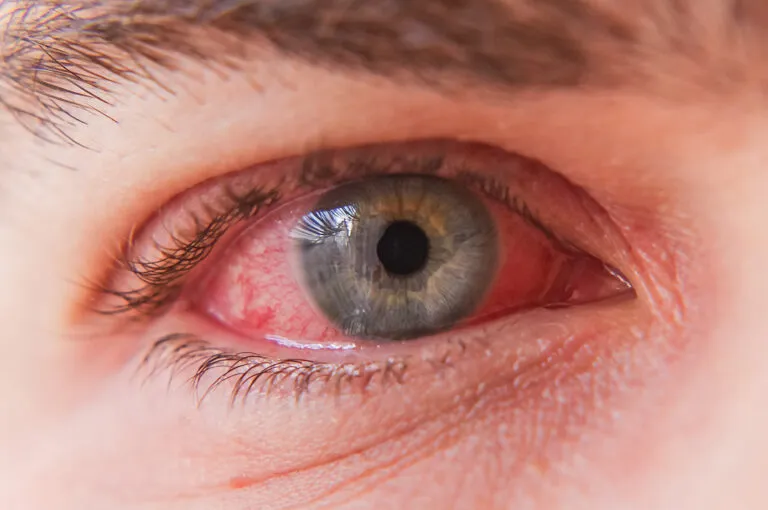
Pink eye (medical name: conjunctivitis) is inflammation of the conjunctiva—the clear tissue that lines your eyelid and covers the white of your eye. It often causes redness, irritation, watering, and discharge. Pink eye ranges from mild and self-limited to highly contagious depending on the cause. Fast, accurate diagnosis ensures the right treatment and helps you avoid spreading it to family, classmates, or coworkers.
Quick take: Red, irritated eye? Don’t guess. A same-day eye exam at Master Eye Associates can confirm the cause and get you relief fast.
Common Types of Pink Eye (and What They Feel Like)
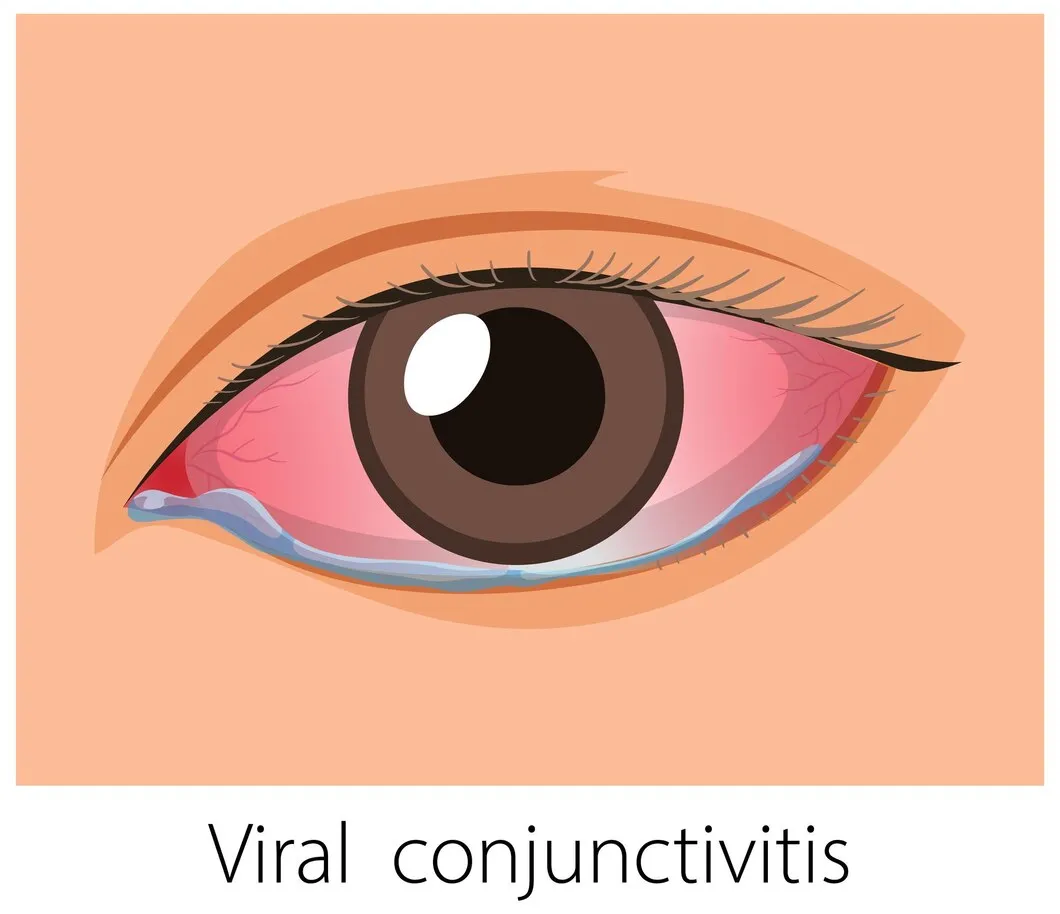
1) Viral Conjunctivitis
- Symptoms: Watery discharge, burning/gritty feeling, light sensitivity, starts in one eye and can spread to the other.
- Often with: Recent cold, sore throat, or exposure to someone with pink eye.
- Contagious? Yes—highly.
- Typical course: 5–14 days; supportive care, strict hygiene.
2) Bacterial Conjunctivitis
- Symptoms: Thick, yellow/green discharge, eyelids stuck together in the morning, redness.
- Contagious? Yes.
- Typical course: Improves in 1–2 days with prescription antibiotic eye drops/ointment.
3) Allergic Conjunctivitis
- Symptoms: Itching is the hallmark, tearing, puffy lids, stringy clear discharge; both eyes often affected.
- Triggers: Pollen, pets, dust, molds.
- Contagious? No.
- Treatment: Antihistamine/mast-cell stabilizer drops, cool compresses, allergen avoidance.
4) Irritant/Chemical Conjunctivitis
- Symptoms: Burning, redness, tearing after exposure (smoke, chlorine, chemicals, makeup).
- Contagious? No.
- Treatment: Immediate rinsing with sterile saline or clean water; exam if symptoms persist or chemical was caustic.
Pink Eye Symptoms: What to Watch For
- Red or pink sclera (white of the eye looks pink)
- Excess tearing or watery discharge (more viral/allergic)
- Thick, colored discharge (more bacterial)
- Itching (strong indicator of allergic conjunctivitis)
- Burning, gritty sensation, mild lid swelling
- Light sensitivity
- Crusting on lashes on waking
- Possible swollen lymph node in front of ear (often viral)
Red flag symptoms—see an eye doctor ASAP: Moderate to severe pain, sudden light sensitivity, decreased vision, contact lens wear with redness, or eye injury/chemical exposure. These may indicate something more serious than pink eye.
Is Pink Eye Contagious?
- Viral: Yes—very. Spread through tears, eye secretions, and contaminated surfaces.
- Bacterial: Yes. Spread through direct contact and shared items.
- Allergic & Irritant: No.
Prevent spread: Don’t touch/rub your eyes, wash hands often, avoid sharing towels/makeup/pillows, disinfect high-touch surfaces, and replace/clean makeup and contact lenses/ cases as directed.
Pink Eye in Kids: School & Daycare Guidelines
- Children with viral or bacterial conjunctivitis are typically contagious
- Many schools allow return after 24 hours of antibiotic drops for bacterial cases and when symptoms are improving. Policies vary—check your school/daycare.
- For viral, return when your child can maintain hygiene and symptoms are improving (per school policy).
- Allergic conjunctivitis isn’t contagious—kids can usually attend
Contact Lens Wearers: Important Notice
If you wear contacts and develop a red, painful, or watery eye:
- Remove lenses immediately
- Do not reinsert until cleared by an eye doctor
- Bring your lens case and solution to your appointment
Contact lens-related infections can threaten vision—same-day evaluation is recommended.
How Pink Eye is Diagnosed
Your optometrist will review your symptoms, exposure history, allergies, and contact lens use, then examine your eyes with a slit lamp. In most cases, diagnosis is clinical. For persistent, severe, or recurrent cases, the doctor may recommend cultures or additional testing.
Treatment: What Actually Helps
Viral
- Supportive care: cool compresses, preservative-free artificial tears
- Strict hygiene to prevent spread
- Antiviral drops rarely needed (except specific viruses, per doctor)
- Symptoms usually peak then improve over 1–2 weeks
Bacterial
- Prescription antibiotic drops or ointment (per your doctor)
- Warm compress to loosen crusts; eyelid hygiene
- Improvement typically within 24–48 hours
Allergic
- Antihistamine/mast-cell stabilizer eye drops
- Preservative-free artificial tears, cool compresses
- Avoid/limit allergens; consider oral antihistamines
- For seasonal sufferers, start drops before allergy season
Irritant/Chemical
- Immediate eye rinsing (15+ minutes if chemical and call us)
- Doctor exam if symptoms persist or exposure was caustic
Do not use leftover antibiotic or steroid drops without guidance. Steroids can worsen some infections
Home Care & Symptom Relief
- Wash hands often; avoid touching eyes
- Use clean tissues/cotton to wipe—discard after one use
- Launder pillowcases, towels; avoid makeup/contacts until cleared
- Use preservative-free artificial tears 4–6×/day for comfort
- Cool compresses for itch/burning; warm compresses for crusts
Prevention Tips
- Don’t share makeup, towels, or eye drops
- Replace eye cosmetics every 3 months
- Clean/disinfect contact lenses properly; never sleep in lenses unless approved
- Manage allergies proactively
- Keep hands clean, especially around kids or during cold season
When to See an Eye Doctor (Today)
- Pain, light sensitivity, or vision changes
- Contact lens wearers with red or painful eyes
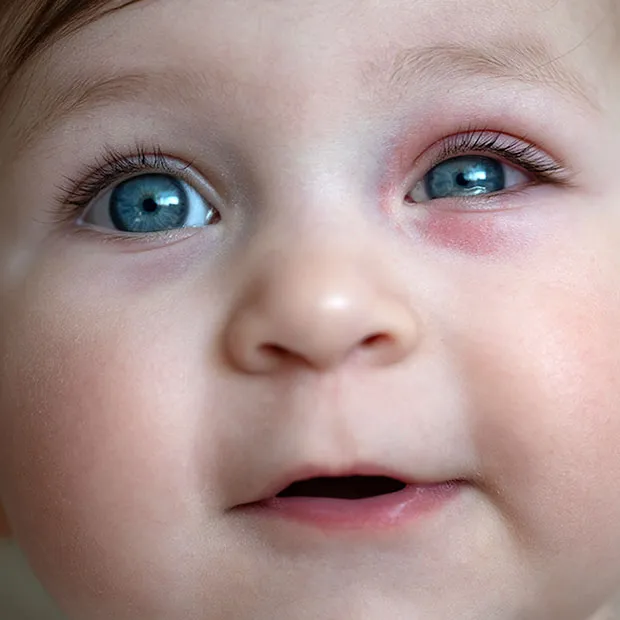
- Infants/newborns with discharge/redness
- Symptoms not improving in 48–72 hours or recurring often
- Chemical exposure or trauma
Same-day care: Master Eye Associates offers prompt pink eye evaluations and treatment options for adults and children across Austin.
Pink Eye vs. Stye vs. Dry Eye (Quick Comparison)
- Pink Eye: diffuse redness, discharge (watery or thick), irritation
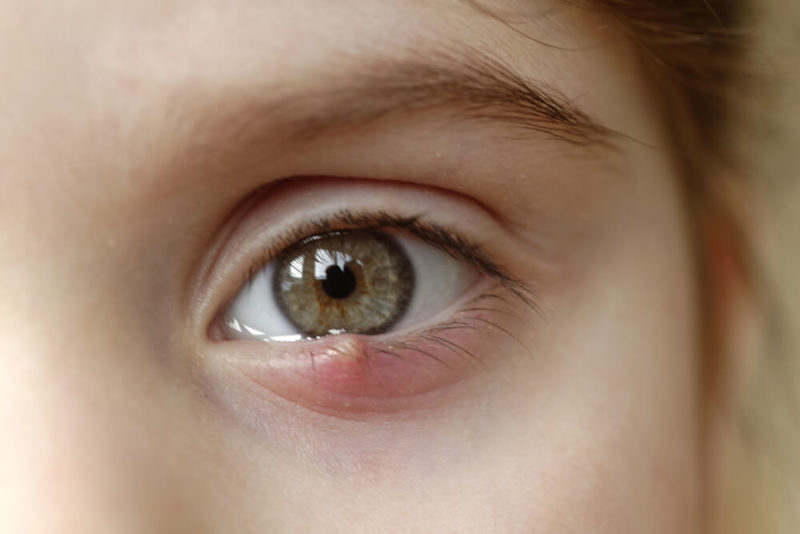
- Stye/Chalazion: localized tender bump on lid margin or within lid; may need warm compresses, hygiene, or treatment
- Dry Eye: burning, fluctuating vision, tearing; often chronic; treated differently than pink eye
FAQs
About Pink Eye
How long does pink eye last?
Viral: ~5–14 days. Bacterial: improves in 1–2 days with antibiotics. Allergic: varies with exposure and treatment.
Can I go to work/school with pink eye?
If contagious (viral/bacterial), minimize exposure. Many return once symptoms improve; bacterial cases often after 24 hours of antibiotics. Confirm with your employer/school.
Do I need antibiotics?
Only for bacterial conjunctivitis (your doctor will diagnose this). Viral and allergic types don’t improve with antibiotics.
Can pink eye affect vision long-term?
Most cases resolve without permanent issues. Severe or mismanaged infections can cause complications—seek care if symptoms are significant or worsening.
Should I throw away my contact lenses and makeup?
Dispose of open contact lenses worn during infection and replace cases/solutions. Replace eye makeup used right before/during infection.
Local Care in Austin, TX
Master Eye Associates provides same-day pink eye evaluations, prescriptions when needed, and guidance to keep your family comfortable and safe. We accept most medical and vision plans and can verify benefits for you.