
When Something’s Actually in Your Eye

What Just Happened to My Eye?
One second you’re fine. The next, your eye is in excruciating pain, watering uncontrollably, and you can barely open it. You probably have either a corneal abrasion (a scratch on the clear surface of your eye) or a foreign body (something stuck in or on your eye).
Both need attention from your eye doctor, but usually aren’t vision-threatening if treated promptly
What's a Corneal Abrasion?
Your cornea is the clear dome covering the front of your eye, like a windshield. An abrasion is a scratch on this surface.
Common causes: Fingernail scratch (often from rubbing your eye or from a child or pet), contact lens issues (putting in or taking out lenses roughly), foreign material (sand, dust, metal shavings), tree branches or plants (gardening injuries), paper or cardboard (yes, really, paper cuts to the eye happen), makeup brushes, or chemical splashes.

What's a Foreign Body?
Exactly what it sounds like, something embedded in your eye like metal shavings (from grinding, welding, or construction), wood splinters, glass fragments, sand or dirt, or an eyelash or debris under your eyelid.
Sometimes it’s stuck on the surface. Sometimes it’s embedded in the cornea.
How Do I Know Which One I Have?
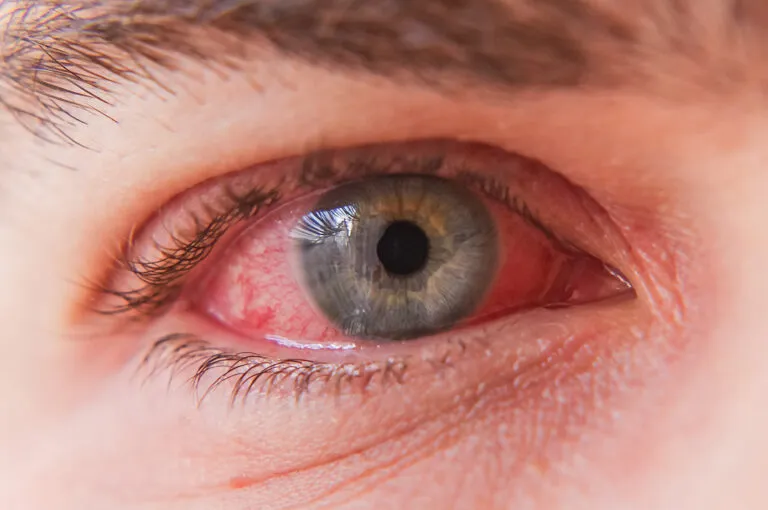
Symptoms are similar: sudden, sharp pain; feeling like something’s in your eye (even if nothing is); excessive tearing; redness; light sensitivity; difficulty opening your eye; blurred vision; and constant urge to rub (don’t!).
The difference: With a foreign body, you usually know what happened (“something flew into my eye”). With an abrasion, you might not remember the exact moment.
What Should I Do Immediately?
DO: Rinse with clean water or saline if available, blink repeatedly to see if tears flush it out, keep your eye closed and still if possible, and call your eye doctor for an appointment. If you wear contacts, remove them if you can do so comfortably.
DON’T: Rub your eye (you’ll make it worse), try to remove embedded objects yourself, use tweezers or cotton swabs on your eye, put anything medicated in your eye without guidance from your eye doctor, or wait days to see if it “gets better on its own.”
Is This an Emergency?
Call your eye doctor immediately or go to urgent care if something penetrated your eye at high speed (metal grinding, explosion), the object is embedded and won’t rinse out, you have severe pain, vision is significantly impaired, there was a chemical splash, you can’t open your eye at all, or you see blood in your eye.
Chemical splashes = emergency. Flush with water for 15 minutes, then get to an emergency room.
What Will You Do During My Appointment?
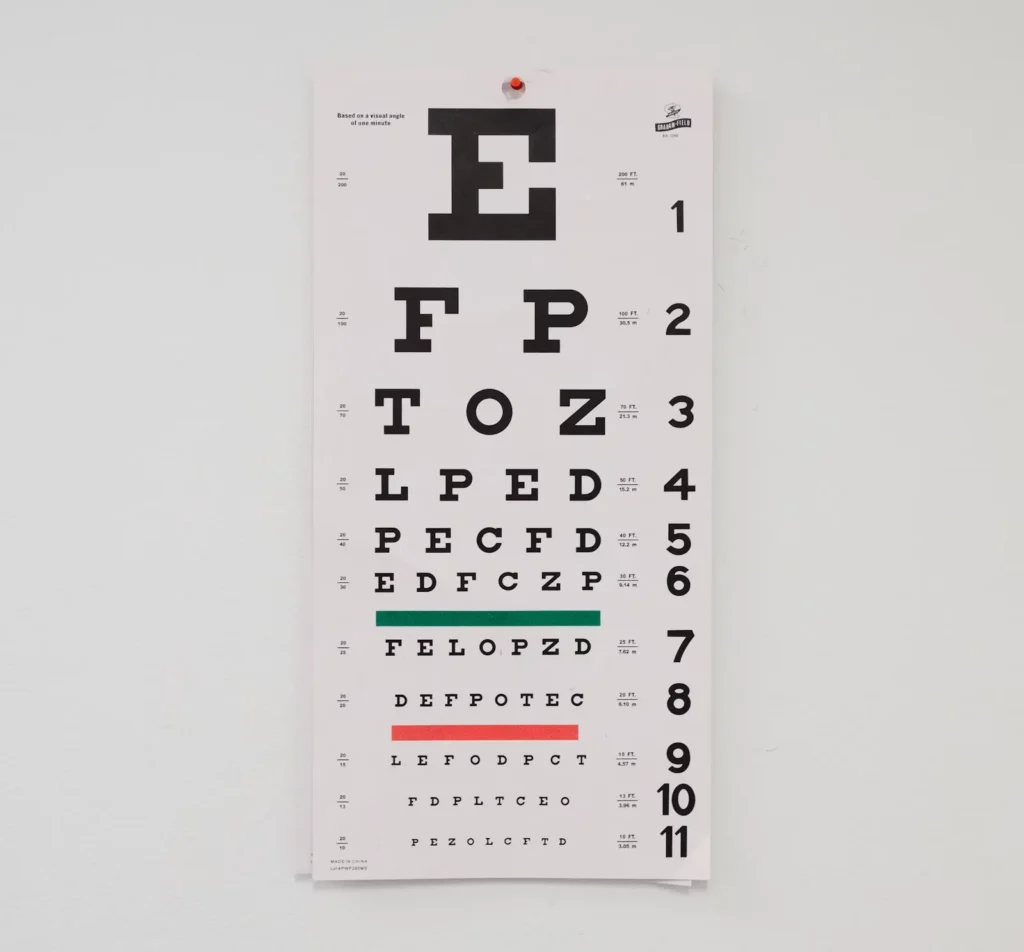
Your eye doctor will examine your eye carefully with a visual acuity test (check your vision), slit lamp examination (microscope allows detailed view of your cornea), fluorescein dye (orange dye makes scratches glow under blue light, doesn’t hurt, washes out easily), evert your eyelid (sometimes debris hides under the upper lid), and check for embedded foreign bodies (might need magnification and special tools).
How Is a Corneal Abrasion Treated?
Most heal within 24-48 hours with antibiotic drops or ointment (prevents infection), artificial tears (keeps eye lubricated), pain management (OTC pain reliever, sometimes prescription drops), and no contact lenses until fully healed.
Larger abrasions might need: A bandage contact lens (acts like a Band-Aid, protecting the cornea while it heals) and a follow-up exam with your eye doctor, usually within 24-48 hours.
We don’t usually patch eyes anymore: Research shows they heal better without patches.
What If There's a Foreign Body?
First, your eye doctor removes it: Superficial objects are removed with gentle irrigation or cotton swab. Embedded objects require a sterile needle under magnification (your eye is numbed first). Rust rings from metal may need removal.
Then treatment is similar to abrasion: Antibiotic drops, pain management, and follow-up check.
Will It Hurt When You Remove It?
Your eye doctor uses numbing drops first. You’ll feel pressure but not pain. The removal itself takes seconds. The discomfort afterward (once numbing wears off) is usually less than what you had with the object in place
How Long Until I Feel Better?
Small abrasions: Significantly better in 24 hours
Moderate abrasions: 2-3 days
Severe abrasions: Up to a week
Foreign body removal: Often relief within hours once the object is out
Here’s what to expect: Days 1-2 still uncomfortable with light sensitivity, Days 3-4 noticeable improvement, and Days 5-7 mostly resolved. If you’re not improving or you’re getting worse, call your eye doctor.
Can I Go to Work or School?
Depends on severity. Small abrasion? Probably yes, but you might be light sensitive. Moderate-severe? You’ll want to rest your eyes for a day or two. After foreign body removal? Usually you can resume activities the next day.
Don’t drive if your vision is blurry or you’re light sensitive.
What Happens If I Don't Get It Treated?
Risks of untreated abrasions or foreign bodies include infection (can become serious fast), corneal ulcer, permanent scarring, vision loss in severe cases, and recurrent erosion syndrome (abrasion keeps coming back).
Don’t tough it out. Eye injuries need professional care from your eye doctor.
Will This Affect My Vision Permanently?
Usually not. Most corneal abrasions heal completely without scarring.
Exceptions: Very deep abrasions in the center of your cornea, infection develops, delayed treatment, or chemical burns. Even then, treatment options exist for corneal scarring.
How Can I Prevent This From Happening Again?
Wear protective eyewear when: Mowing lawn or using power tools, grinding, welding, or using machinery, playing sports, using chemicals, or doing construction work.
Contact lens wearers: Keep nails trimmed short, wash hands before insertion/removal, don’t force lenses in if they’re uncomfortable, and replace lenses on schedule.
Parents: Trim baby’s fingernails, teach children not to poke near eyes, and supervise play with sticks or projectiles.

What About Recurrent Corneal Erosion?
Some people experience repeated abrasions in the same spot, the healing tissue doesn’t adhere properly.
Symptoms: Waking up with sudden sharp pain, like the original injury is back.
Treatment from your eye doctor: Lubricating ointment at bedtime, special bandage contact lenses, in-office procedures to help healing, or rarely, laser treatment.
Tell your eye doctor if this happens, it’s treatable.
Don’t wait with eye pain. Corneal abrasions and foreign bodies need same-day care to prevent complications. Call us immediately if you’ve injured your eye, we reserve time slots for eye emergencies.