
What They Are, Causes, and the Best Treatments From the Eye Doctors at Master Eye in Austin
If you’ve ever woken up with a tender red bump on your eyelid, you probably had a stye. While they can be uncomfortable, most are harmless and heal on their own especially with a few simple home remedies. At Master Eye in Austin, our eye doctors see styes every week and know exactly how to help them clear up safely.
What Is a Stye?
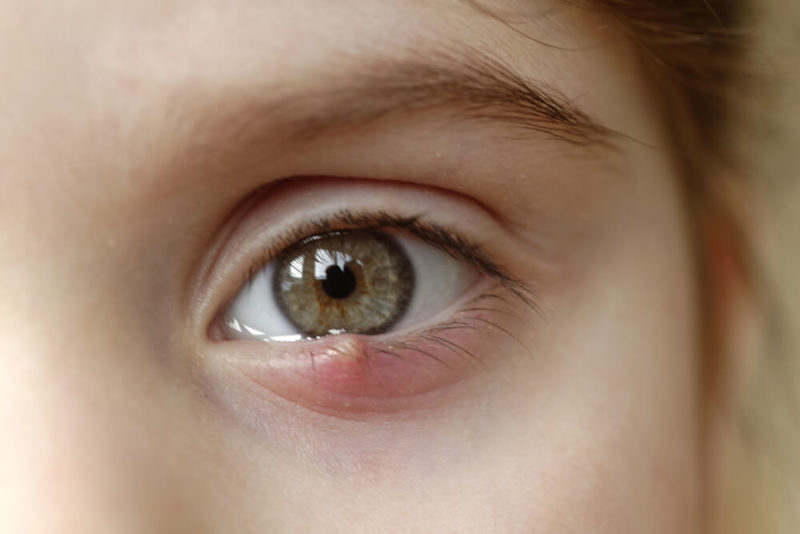
A stye (also called a sty or hordeolum) is a small, red, painful bump that forms on the edge or inside of your eyelid. It looks a lot like a pimple and develops when one of the eyelid’s oil glands becomes blocked and infected, usually with common skin bacteria such as Staphylococcus aureus.
There are two main types:
- External stye: forms on the outer eyelid, near the base of an eyelash.
- Internal stye: forms on the inner eyelid surface and may be more swollen or tender.
Most styes begin suddenly and peak within two or three days before slowly improving.
Common Symptoms
Typical signs include:
- A red, raised bump on the eyelid
- Swelling, tenderness, or pain in the area
- Watery eyes or mild discharge
- A feeling that something is “in” your eye
- Crusting around the lashes when you wake up

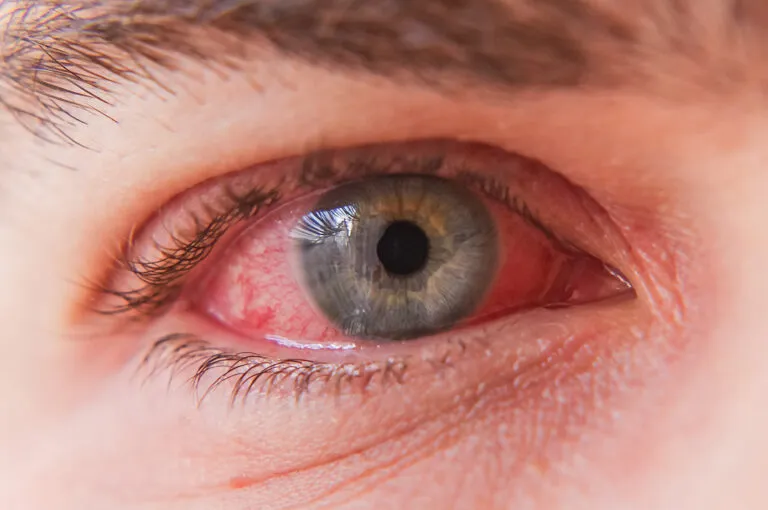
It’s important not to confuse a stye with a chalazion a painless bump caused by a blocked gland but without infection or pink eye (conjunctivitis), which affects the white of the eye rather than
the lid.
What Causes a Stye?
Styes occur when oil glands or hair follicles become clogged, trapping bacteria inside. Risk factors include:
- Touching or rubbing your eyes with unwashed hands
- Sleeping in eye makeup or using old cosmetics
- Contact lens wear with poor hygiene
- Chronic eyelid inflammation (blepharitis)
- Skin conditions such as acne or rosacea
- Diabetes or lowered immunity
Good hygiene and careful eye-care habits can greatly reduce your risk.
How to Treat a Stye at Home
Most styes heal naturally in about a week. To help speed things up and relieve discomfort, try these proven steps:
1. Warm Compresses
Soak a clean washcloth in warm (not hot) water, wring it out, and gently press it over the closed eyelid for 10–15 minutes, three to five times daily.
Tip: Re-warm the cloth when it cools so the heat stays consistent this softens oils and encourages natural drainage.
2. Keep Eyelids Clean
Use a mild, tear-free cleanser or diluted baby shampoo on a cotton pad to gently clean along the lash line. This helps remove bacteria and dried oil.
3. Don’t Squeeze or Pop It
It may look like a pimple, but trying to pop a stye can spread infection and make things worse. Let it drain on its own.
4. Skip Makeup and Contacts
Avoid eyeliner, mascara, and contact lenses until the stye completely heals. These can trap bacteria or irritate the eyelid further.
5. Use Pain Relief If Needed
Over-the-counter pain relievers such as ibuprofen can reduce soreness. If you notice swelling spreading or vision changes, it’s time to see an eye doctor.
When to See a Doctor
If a stye doesn’t improve within a few days or keeps coming back, professional care is best. At Master Eye in Austin, our optometrists can:
- Confirm the diagnosis and rule out other eyelid conditions
- Prescribe antibiotic drops or ointment if infection persists
- Perform a gentle in-office drainage procedure for larger styes
- Recommend preventive care for recurring cases
You should seek medical help immediately if:
- The swelling spreads beyond your eyelid
- Your vision becomes blurry or painful
- The bump bleeds, oozes, or hardens
- You develop multiple styes at once
Preventing Future Styes
Consistency is key. Keep your eyes healthy with these habits:
- Wash your hands before touching your eyes or contacts.
- Remove makeup every night.
- Replace eye cosmetics every 3–6 months.
- Use warm compresses regularly if you’re prone to styes.
- Schedule routine eye exams to check eyelid health.

How Long Does a Stye Last?
Most styes improve in 3–5 days and disappear completely within 7–10 days. Occasionally, they leave behind a small, firm bump (a chalazion) that may linger longer and require treatment.
Why Choose Master Eye in Austin for Stye Treatment
At Master Eye, our doctors combine advanced diagnostic tools with a personalized, gentle approach. Whether your stye is new, recurring, or unusually painful, we’ll find the safest, fastest path to healing.
👉 If you have a painful eyelid bump or recurring styes, schedule an appointment with Master Eye today walk-ins are always welcome.
FAQ
Stye Treatment & Care
Can I pop a stye at home?
No. Squeezing a stye can spread bacteria, worsen infection, and even damage the eyelid. Always let it drain naturally or see an eye doctor.
How long do styes last?
Most heal within a week, but some may take up to two. If it hasn’t improved after 10 days, get it checked.
Are styes contagious?
Not usually, but bacteria can transfer through shared towels or makeup. Practice good hygiene and avoid touching your eyes.
What’s the difference between a stye and a chalazion?
A stye is an infected, tender bump; a chalazion is a painless lump caused by a blocked gland.
When should I see a doctor for a stye?
If pain or swelling increases, vision blurs, or it doesn’t heal within a week, contact Master Eye for a same-day evaluation.