
Causes, Symptoms, and How to Finally Find Relief
When Allergies Affect Your Eyes
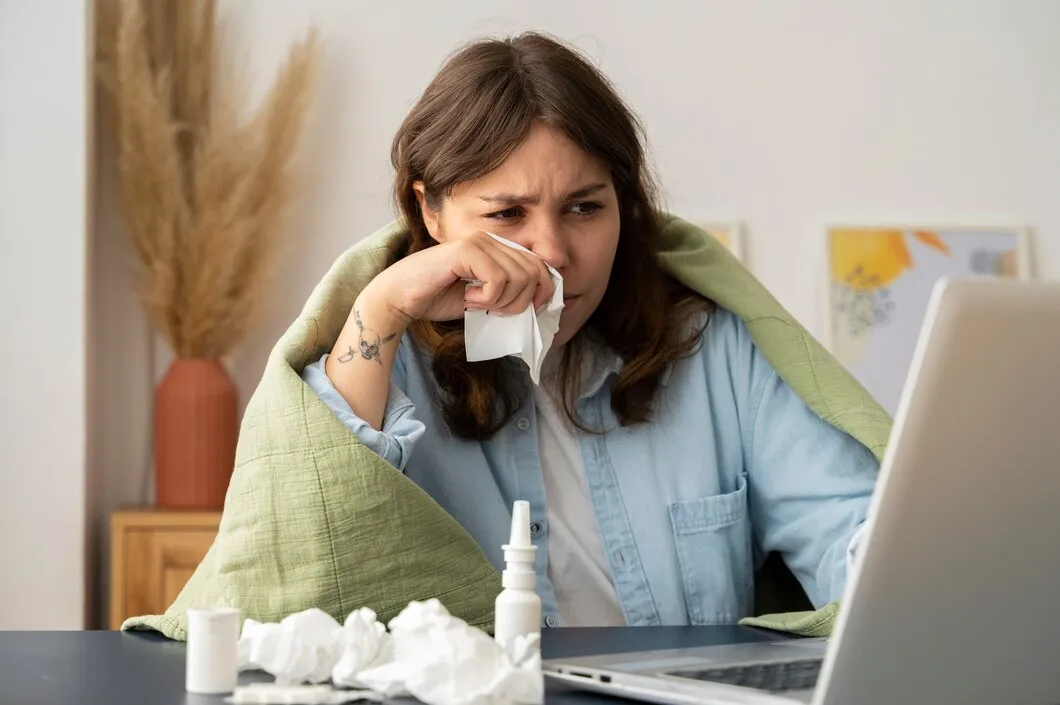
If your eyes start to itch or water as soon as spring hits, or you can’t seem to escape the redness and irritation that comes with every change of season, you’re not alone. Millions of people experience eye allergies each year. The good news is that they’re both manageable and treatable with the right care.
Eye allergies, also known as allergic conjunctivitis, occur when the eyes react to substances that are usually harmless—like pollen, dust, or pet dander. Your immune system treats these particles as invaders, releasing histamines that cause inflammation, itching, and redness.
At Master Eye Associates, we help patients across Austin identify what’s causing their eye allergies and create treatment plans that bring long-term relief instead of short-term fixes.
Common Causes of Eye Allergies
Eye allergies can happen any time of year, but certain triggers are more common depending on the season or your environment.
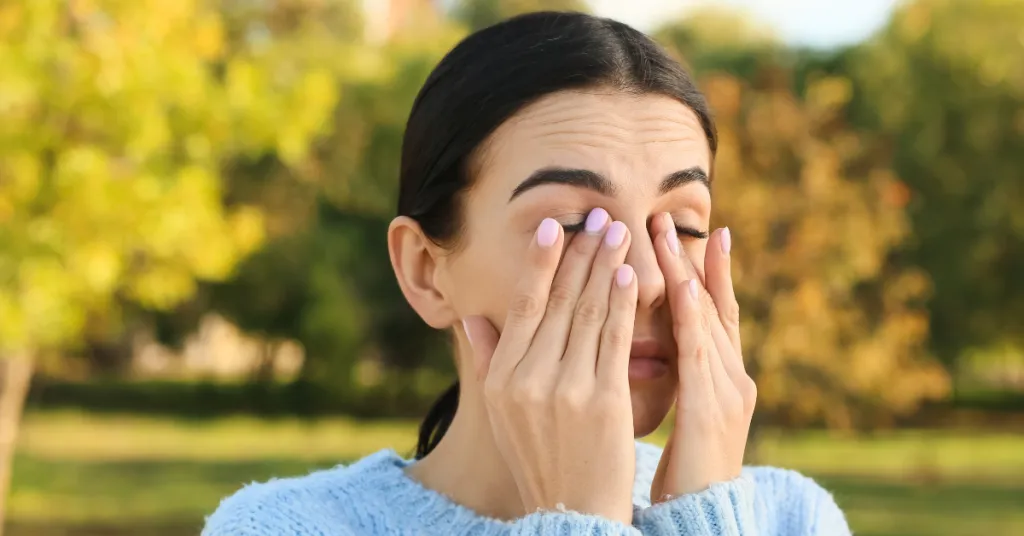
Seasonal Eye Allergies
Often called hay fever, these allergies flare up during certain times of the year due to:
- Tree pollen in spring
- Grass pollen in summer
- Ragweed and weed pollen in fall
Perennial Eye Allergies
These occur year-round and are typically caused by:
- Pet dander
- Dust mites
- Mold spores
- Indoor air pollutants or fragrances
If you notice symptoms at specific times of day or after certain activities—like cleaning, being outdoors, or spending time with pets—it’s likely your eyes are reacting to an environmental allergen.
Eye Allergy Symptoms
Eye allergies can feel mild or overwhelming depending on the trigger. Symptoms can include:
- Itchy or burning eyes
- Watery or teary eyes
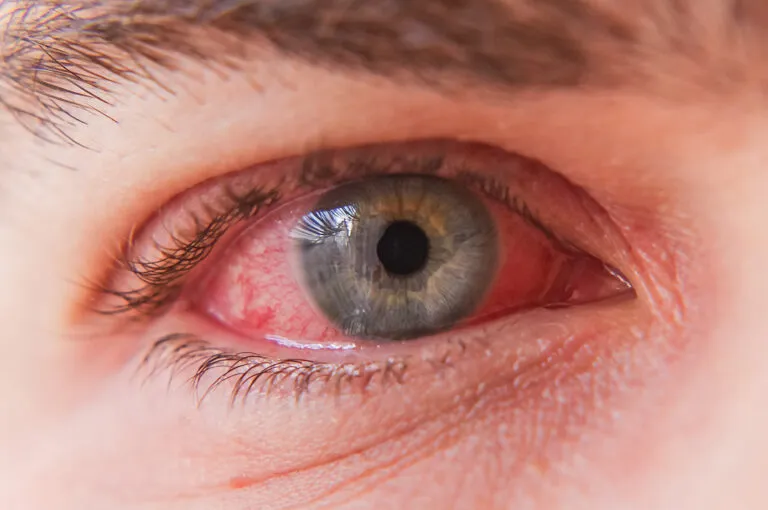
- Redness
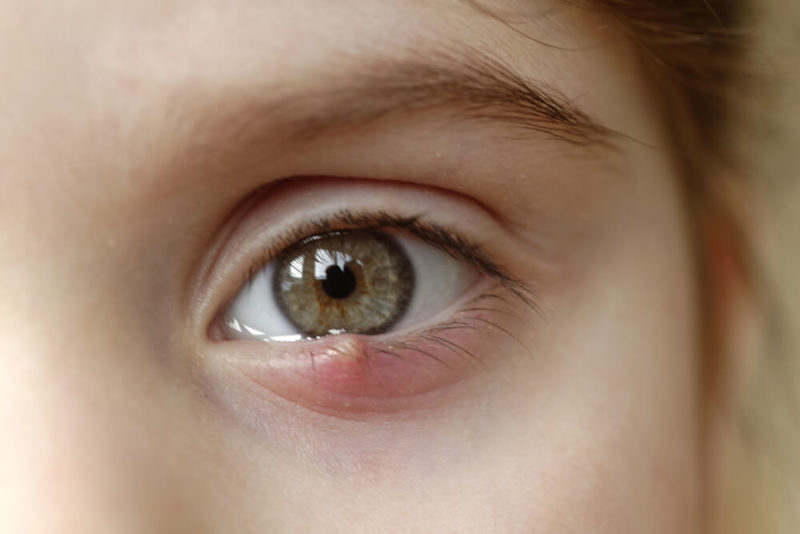
- Puffy or swollen eyelids
- Mild mucus discharge
- Light sensitivity
- A gritty feeling, like something is in your eye
Unlike pink eye, allergic conjunctivitis is not contagious. However, if symptoms don’t improve or seem to worsen, an eye exam can help determine whether something else is causing the irritation.
How Eye Allergies Are Diagnosed
During an eye exam, your optometrist will look closely at the surface of your eye, eyelids, and tear film. At Master Eye Associates, your doctor will:
- Review your symptoms and lifestyle factors
- Examine the conjunctiva for inflammation
- Check tear quality and quantity
- Rule out dry eye or infection
Understanding whether your reaction is caused by an allergen or another condition is key to finding the right treatment.
Eye Allergy Treatment Options
The right treatment depends on your triggers, environment, and symptom severity. A combination of in-office care and at-home strategies often brings the best results.
In-Office Treatments
- Prescription antihistamine or mast cell stabilizer drops
- Short-term steroid drops for inflammation
- Artificial tears to flush out allergens and soothe irritation
- Eyelid and gland therapy if dry eye contributes to symptoms
At-Home Relief Tips
- Apply cool compresses to calm redness and swelling
- Use preservative-free lubricating drops several times a day
- Keep windows closed during high pollen seasons
- Use a HEPA filter at home to remove airborne allergens
- Shower and change clothes after being outdoors
- Wash bedding regularly
- Avoid rubbing your eyes
Over-the-counter “redness relief” drops may seem helpful, but they often make things worse over time. If your symptoms persist, your optometrist can prescribe safe, long-term solutions.
When to See a Doctor
If you experience any of the following, schedule an exam:
- Persistent eye itching or redness for more than a few days
- Swelling that doesn’t go down
- Blurry vision
- Pain or discharge
- Symptoms that don’t improve with allergy medication
An eye doctor can confirm whether your irritation is from allergies or another issue like dry eye or infection.
Eye Allergy Prevention Tips
While you can’t always avoid allergens, small habits can make a big difference.
- Wear sunglasses outdoors to protect your eyes from pollen
- Keep your hands clean and avoid touching your eyes
- Avoid using fans that stir up dust
- Vacuum with a HEPA filter
- Use allergen-proof bedding covers
- Track pollen counts and limit outdoor exposure on high days
Eye Allergy Relief in Austin, TX
At Master Eye Associates, our goal is to help you see and feel your best year-round. We offer personalized care for eye allergies, dry eye, and other eye conditions that affect your comfort and vision. Whether your symptoms are seasonal or persistent, our team can help you find relief that lasts.