
The Silent Vision Thief
Wait, What Exactly Is Glaucoma?
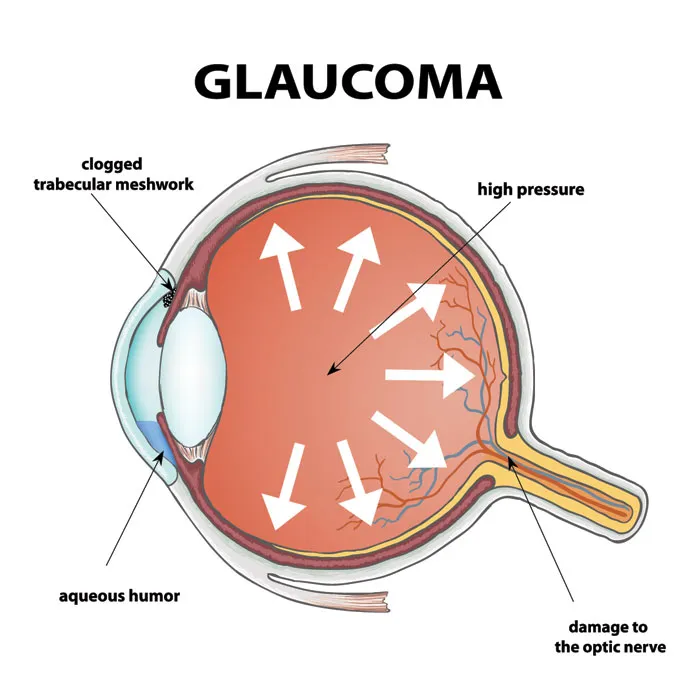
Glaucoma is damage to the optic nerve. The cable that sends visual information from your eye to your brain. The most common cause? High pressure inside your eye.
Here’s why it’s scary: You usually don’t feel it happening. There’s no pain, no obvious warning. By the time you notice vision loss, permanent damage has already occurred. That’s why we call it “the silent thief of sight.”
How Common Is It?
Very. Glaucoma affects about 3 million Americans, and half of them don’t know they have it. It’s one of the leading causes of blindness, but here’s the critical part: it’s preventable if caught early by your eye doctor.
Am I at Risk?
Your risk increases significantly if you’re over 60, have a family history of glaucoma, are African American (risk is 6-8 times higher), Hispanic, or Asian. Other risk factors include having diabetes or high blood pressure, being very nearsighted, having had eye injuries, or using steroid medications long-term.

But anyone can get glaucoma. That’s why regular eye exams matter, even if your vision seems perfect.
What Are the Symptoms?
For most types: None, until it’s advanced.
That’s the problem. Glaucoma usually starts by affecting peripheral (side) vision so gradually that you don’t notice. Your brain fills in the gaps.
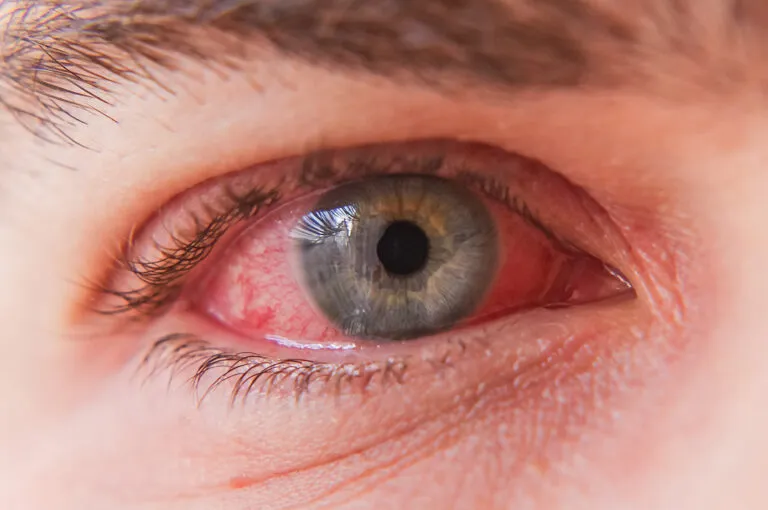
Acute angle-closure glaucoma (the rare emergency type) has obvious symptoms: severe eye pain, sudden blurred vision, seeing halos around lights, nausea and vomiting, and a red eye. This is a medical emergency. Call us immediately or go to the ER.
How Do You Test for Glaucoma?
A complete glaucoma evaluation with your eye doctor includes several components:
Eye pressure check :That quick puff of air or gentle probe you’ve probably had before.
Optic nerve exam : We use specialized imaging to look at the nerve and spot early damage.
Visual field test : You press a button when you see lights in your peripheral vision, helping us map any vision loss.
Corneal thickness measurement : Thicker corneas can falsely give high pressure readings, so we need to account for this.
Important: High eye pressure alone doesn’t mean glaucoma, and normal pressure doesn’t rule it out. We look at the whole picture.
Can Glaucoma Be Cured?
No, but it can be controlled.
Vision loss from glaucoma is permanent, but your eye doctor can prevent further damage. The goal: Keep your eye pressure at a safe level to protect your optic nerve.
How Is Glaucoma Treated?
Most people start with prescription eye drops that lower eye pressure. You’ll use them daily, probably for life.
If drops aren’t enough, your eye doctor might recommend laser treatment (opens drainage channels in a quick, in-office procedure) or surgery (creates new drainage pathways when other options haven’t worked).
Do I Need to See a Specialist?
Not necessarily. Many optometrists (including ours) are trained in glaucoma management and can diagnose glaucoma, prescribe and monitor medication, track progression with advanced imaging, and refer to a specialist if surgery is needed.
You’ll have regular monitoring appointments, usually every 3-6 months, to make sure treatment is working.
What Happens If I Don't Treat It?
Glaucoma will continue damaging your optic nerve. Vision loss starts at the edges and slowly moves inward. Eventually, it can cause blindness.
But here’s the empowering part: If you keep your eye pressure controlled with help from your eye doctor, most people with glaucoma never go blind.
Can I Prevent Glaucoma?
You can’t prevent it, but you can catch it early. Get regular comprehensive eye exams (yearly if you’re high risk), know your family history, exercise regularly (it can help lower eye pressure), protect your eyes from injury, and manage overall health conditions.
The takeaway: Glaucoma is serious, but it’s manageable when detected early by your eye doctor. That routine eye exam you keep putting off? It could save your vision.
Don’t wait until you notice symptoms. Schedule your comprehensive eye exam today. Our advanced diagnostic equipment and experienced optometrists can detect glaucoma in its earliest stages, when treatment is most effective.