
Why They’re Uncomfortable and What We Can Do
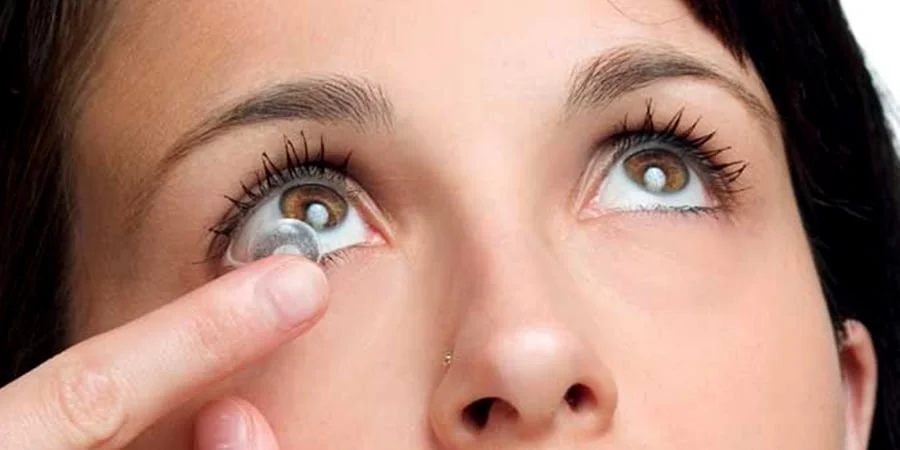
Why Are My Contacts Suddenly Uncomfortable?
You’ve worn contacts for years without issues. Now suddenly they feel dry, blurry, or irritated by the afternoon. What changed?
The answer: Probably several things. Contact lens intolerance rarely has one simple cause.
What Is Contact Lens Intolerance?
It’s when you can no longer comfortably wear contact lenses that previously felt fine. Your eyes might feel dry or gritty, burning or stinging, tired by midday, irritated or red, or like there’s something stuck in there.
You’re not imagining it, and you’re not alone, it’s incredibly common.
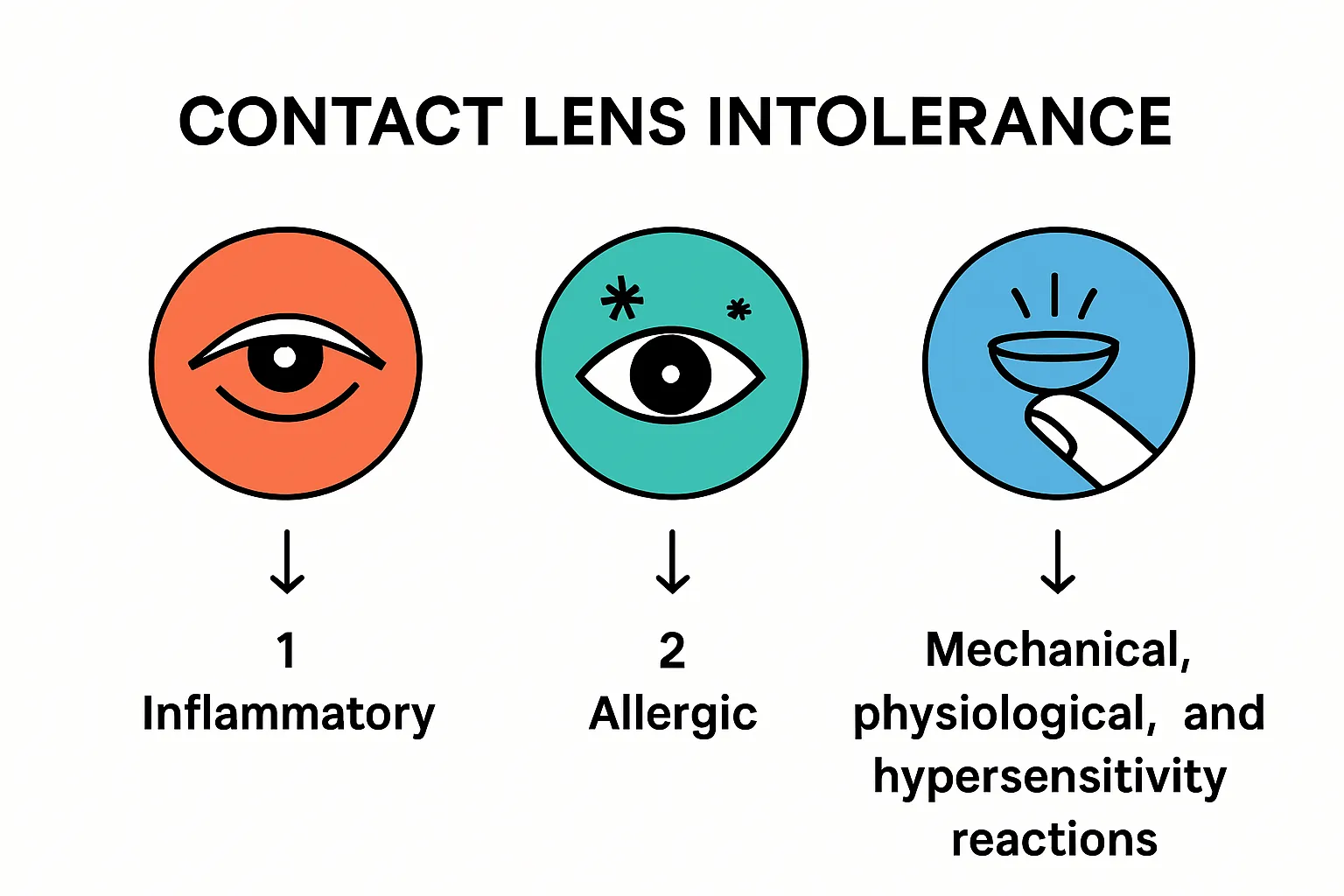
What Causes Contact Lens Discomfort?
Dry Eyes:
The #1 culprit. Contact lenses sit on your tear film. If your tears aren’t adequate, lenses dehydrate during the day, stick to your cornea, and friction increases with every blink. Factors that worsen dry eye include aging (especially hormonal changes), medications (antihistamines, birth control, antidepressants), screen time (you blink less), air conditioning or heating, and autoimmune conditions.
Lens Deposits:
Over time, proteins, lipids, and calcium from your tears build up on lenses. Even with proper cleaning, deposits reduce oxygen flow, harbor bacteria, make vision hazy, and decrease comfort.
Wrong Lens Type:
Your eyes may have changed. Corneal shape shifts with age, prescriptions evolve, and what worked at 25 may not work at 45.
Overwear:
Wearing lenses longer than recommended deprives your cornea of oxygen, increases infection risk, and causes chronic irritation.
Allergies:
Seasonal or environmental allergies make contact lens wear miserable. Pollen and allergens stick to lenses
Solution Sensitivity:
You might be reacting to your cleaning solution, not the lenses themselves.
Should I Just Give Up on Contacts?
Not yet! Your eye doctor has many options to explore first.
What Solutions Are Available?
Switch to Daily Disposables: This is often the game-changer. Brand new lens every day means no cleaning, no deposits, healthier for your eyes, and more convenient. Many patients who “couldn’t wear contacts anymore” do great with dailies.
Try Different Lens Materials: Silicone hydrogel lenses allow more oxygen to reach your cornea. High water content lenses work better for mildly dry eyes. Lower water content lenses are counterintuitively better for severe dry eyes (they don’t wick moisture away as much). Scleral lenses are large lenses that vault over your cornea and rest on the white part of your eye, creating a fluid reservoir
Address Underlying Dry Eye: Your eye doctor can treat your dry eye directly with prescription eye drops (Restasis, Xiidra, Cequa), warm compresses for oil gland function, Omega-3 supplements, punctal plugs (tiny inserts that keep tears from draining), or in-office treatments (IPL, meibomian gland expression).
Change Your Wearing Schedule: Instead of 12-14 hours daily, try wearing contacts only when needed, switching to glasses after work, or giving your eyes “contact-free” days.
Optimize Your Solutions: Try preservative-free solutions, switch to hydrogen peroxide-based systems, or use rewetting drops designed for your lens type.
Update Your Prescription: Maybe your fit is off. Too tight reduces oxygen, too loose means the lens moves excessively, and wrong curvature causes discomfort.
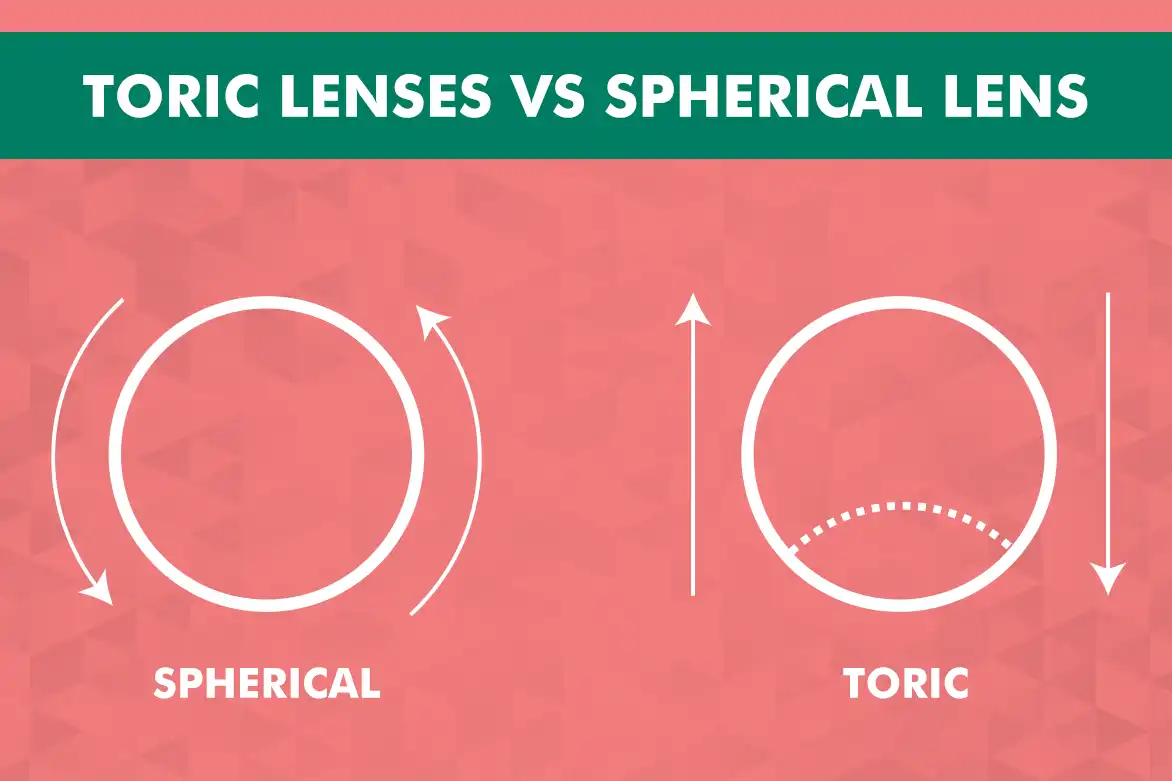
What About "Toric" Lenses for Astigmatism?
Toric lenses can be trickier because they must sit in a specific orientation (if they rotate, vision blurs) and they’re often thicker, which can reduce comfort.
Solutions your eye doctor can try: Different toric lens brands (each has unique stabilization), scleral lenses for high astigmatism, or custom toric options.
How Do I Know What's Causing My Problem?
You need a comprehensive contact lens evaluation with your eye doctor.
We’ll examine your tear film quality and quantity, lens fit and movement, corneal health, meibomian glands (oil glands in your eyelids), and review your current lens type and wearing schedule. Then we’ll create a personalized plan.
Can You Help If I Have a Specific Issue?
"My contacts feel fine in the morning but terrible by 3pm"
Classic dry eye. We’ll focus on improving your tear film and may recommend different lens materials or dailies.
"One contact lens keeps moving around"
Likely a fitting issue. We’ll evaluate the curvature and diameter. You might need different base curves for each eye.
"Everything looks blurry through my contacts lately"
Could be deposits, wrong prescription, lens rotating (if toric), or dry eye. We’ll figure out which.
"My eyes are red every time I wear contacts"
Could indicate overwear, solution reaction, deposits, or early infection. This needs evaluation soon.
"I can't get them in anymore" or "They won't stay centered"
Might indicate changes in your eye shape, dry eye making insertion difficult, or wrong lens specifications.
When Should I Stop Wearing My Contacts and Call You?
Remove contacts immediately if your eye is painful, vision suddenly decreases, eye becomes very red, you see discharge, experience unusual light sensitivity, or you slept in them and now have discomfort. Then call your eye doctor. These can be signs of infection or corneal damage.
Will Insurance Cover Different Contact Lens Options?
Most vision plans cover a basic contact lens fitting. Premium options like specialty lens fittings (scleral, custom), multiple trial lenses, and daily disposables (sometimes) may have additional costs. We’ll discuss options that fit your budget.
What If We Try Everything and Nothing Works?
Some people’s eyes simply can’t tolerate contact lenses anymore. It’s frustrating, but glasses have come a long way with thinner, lighter lenses, anti-reflective coatings, stylish frames, and progressives that actually work well.
Glasses aren’t a consolation prize, they’re a valid, healthy choice.
Quick Tips for Better Contact Lens Comfort
Replace lenses on schedule (don’t stretch it). Never sleep in contacts unless approved for overnight wear. Remove contacts before showering or swimming. Use preservative-free rewetting drops. Keep hands clean during insertion and removal. Replace your contact lens case every 3 months. Take breaks, wear glasses sometimes. Stay hydrated. Follow the 20-20-20 rule during screen time (every 20 minutes, look 20 feet away for 20 seconds).
Bottom line: Contact lens discomfort usually has a solution. Don’t suffer or give up without exploring your options with your eye doctor, let’s troubleshoot together.
Struggling with uncomfortable contacts? Schedule a comprehensive contact lens evaluation. Our optometrists specialize in difficult-to-fit cases and have helped hundreds of patients find comfortable solutions.